
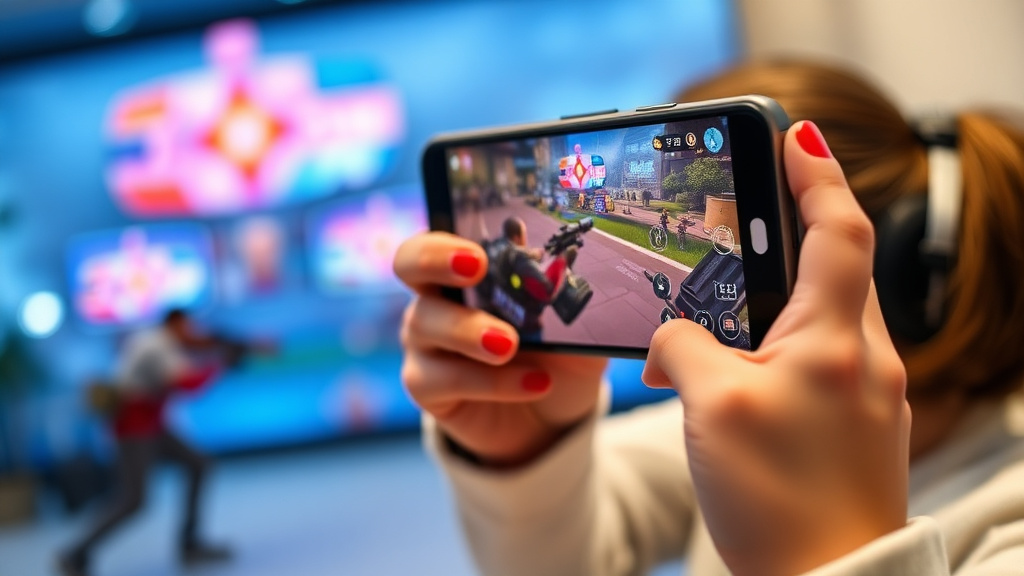
The gaming industry is witnessing a revolutionary transformation as AR technology seamlessly blends virtual environments with physical reality. From Pokémon GO’s global phenomenon to innovative AR filters in popular games, mobile gaming are leveraging next-generation technology to create immersive experiences that attract millions. This article investigates how AR technology are transforming player engagement, generating record-breaking player retention, and reimagining what’s feasible in the mobile gaming space. Explore the technologies and strategies driving this dynamic growth forward.
How AR Technology Improves Gaming on Mobile User Experience
Augmented reality technology reshapes mobile gaming by superimposing virtual objects onto the player’s real-world environment through smartphone cameras. This smooth blend delivers an immersive experience that surpasses traditional screen-based gameplay, letting players engage with virtual entities as if they exist in physical space. By merging digital and physical reality, AR technology empowers developers to create compelling stories that feel authentic and tangible, substantially improving player engagement and emotional engagement in gameplay.
The enhanced interactivity enabled by AR features markedly enhances player engagement and retention rates across widely-played mobile games. Players can navigate their environment while capturing virtual creatures, tackling puzzles, or finishing quests in live environments. This dynamic gameplay promotes longer play sessions and community interaction, as friends gather to participate in AR experiences together. The technology allows customized gaming experiences that adjust to specific player locations, creating unique adventures customized for each user’s physical surroundings and local area.
AR technology presents new revenue possibilities while enhancing user experience through tangible features and rewards. Players encounter place-specific tasks, time-restricted activities, and exclusive AR-only content that incentivizes continued engagement. The technology allows developers to build rotating experiences tied to real-world locations and occasions, encouraging group involvement and natural player referrals. These features produce ongoing earnings while maintaining player satisfaction and sustained commitment to mobile gaming platforms.
Popular Games Spearheading the AR Transformation
Pokémon GO continues to be the quintessential example of AR’s game-changing influence in mobile gaming, reshaping how players interact with their surroundings. The game’s popularity motivated countless developers to add AR features into their titles. Games like Niantic’s Harry Potter: Wizards Unite and Minecraft Earth highlighted AR’s potential for creating location-based adventures. These pioneering titles proved that players would readily adopt technology allowing them to hunt creatures, work through puzzles, and create spaces in actual physical locations, reshaping mobile gaming expectations.
Beyond location-specific gaming titles, popular games have embraced AR mechanics to improve conventional gaming experiences. Games including Snapchat’s Snap Games and Instagram-connected games utilize AR filters and face-tracking technology for engaging social experiences. Additionally, action games and puzzle adventures now feature AR capabilities allowing players to visualize game elements in their physical spaces. This diversification shows that AR popularity extends far beyond Pokémon GO, with creators in different categories recognizing the technology’s ability to enhance player engagement and create memorable, shareable gaming moments that resonate globally.
The Future of AR in Smartphone Games
The trajectory of AR technology in mobile gaming suggests more advanced and user-friendly experiences. As hardware capabilities evolve and development tools become more user-friendly, developers will build more intricate AR environments. Future games will probably showcase continuous AR environments where players can work together in common virtual areas overlaid on their physical surroundings. Funding for augmented reality solutions remains on the rise, signaling robust market belief in this transformative medium’s long-term potential.
- AI-powered customized AR experiences tailored to individual players
- Cross-platform AR gaming platforms linking multiple devices smoothly
- Advanced haptic feedback enhancing immersion and tactile engagement
- Cloud-based AR computation reducing device hardware requirements substantially
- Social AR features facilitating live multiplayer collaborative gameplay
Mobile gaming’s development via augmented reality represents more than technological advancement; it significantly alters how players experience entertainment. As AR gains widespread adoption, accessibility barriers decrease and adoption grows across demographics. Game developers who implement these advancements position themselves at the forefront of industry evolution. The convergence of AR technology, creative storytelling, and player engagement strategies will undoubtedly shape the next era of mobile gaming experiences.
