
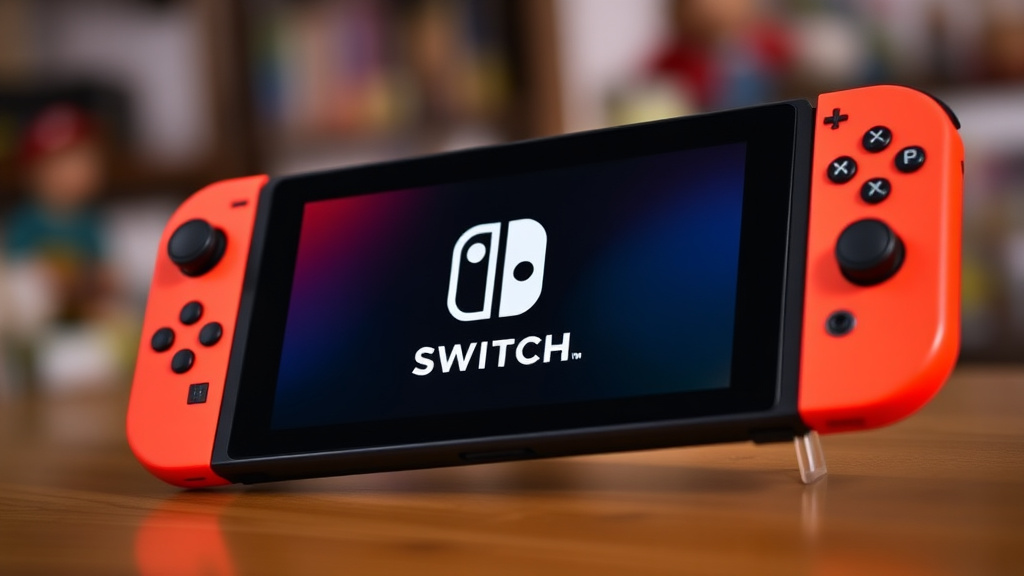
Nintendo Switch continues to dominating the gaming market with impressive sales figures, proving that the hybrid console maintains its momentum. As the company grows its already diverse game library with compelling new titles across various categories, both longtime fans and newcomers have motivation to pick up the flexible console. This article examines how Nintendo’s deliberate content strategy and platform innovations are fueling continued player engagement, assessing the factors behind the Switch’s continued prominence in an highly competitive gaming landscape.
Sales Expansion and Revenue Results
Nintendo Switch has proven to be one of the best-performing gaming consoles in history, with cumulative sales exceeding 139 million units worldwide. The platform’s enduring popularity stems from its distinctive dual-mode architecture, allowing seamless transitions between handheld and docked modes. Recent quarterly reports indicate strong performance, with solid growth across both hardware and software segments. The console’s appeal attracts multiple player types, from casual gamers to competitive esports enthusiasts, creating a robust and expanding market that keeps producing substantial revenue for Nintendo and third-party developers alike.
The growing game library has become a critical driver of Nintendo Switch’s ongoing market leadership. With hundreds of titles now offered across various genres—from action-adventure and role-playing games to indie experiences and family-friendly software—the platform delivers something for different player interests. Well-timed exclusive titles, featuring popular series and fresh original games, preserve consumer interest and fuel hardware sales. Support from major publishers has increased substantially, with major studios prioritizing Switch versions of their games, additionally enhancing the ecosystem and guaranteeing the console stays competitive against next-generation consoles.
Building Gaming Collection Approach
Nintendo’s commitment to building out its game library remains central to the Switch’s continued sales growth. By methodically introducing titles across multiple genres and platforms, Nintendo ensures there’s content appealing to every gaming audience. The company’s comprehensive strategy combines internally developed first-party games with carefully curated third-party partnerships, building a robust ecosystem that sustains player interest continuously. This equilibrium approach has proven instrumental in sustaining the console’s competitive edge and generating consistent sales increases.
First Party Titles
Nintendo’s first-party development studios continue delivering critically acclaimed and commercially successful games that define the Switch experience. Franchises like Mario, Zelda, and Pokémon serve as flagship releases that boost console adoption and cement the console’s identity. These internally developed titles showcase the Switch’s performance features while providing fresh gameplay mechanics that appeal to millions of players worldwide. Nintendo’s consistent quality and imaginative design in first-party development create a market edge few publishers can match.
The company’s first-party launch roadmap demonstrates thoughtful planning that maintains momentum throughout the year. By spacing major releases across various seasons and gaming categories, Nintendo ensures sustained interest and avoids oversaturation. Exclusive releases offer strong incentives for gamers to purchase the Switch platform rather than competing consoles. This exclusive positioning, combined with positive critical acclaim, establishes Nintendo as an industry leader in innovative game design.
Third-Party Developer Partnerships
Important collaborations with external development studios substantially improve the Switch’s gaming catalog range and appeal. Top software firms such as Activision, Electronic Arts, and Ubisoft have developed engaging games built for the platform, acknowledging its massive install base and unique capabilities. These working relationships introduce popular franchises and fresh gaming experiences to Switch gamers, extending the console’s appeal past Nintendo’s established player base. External developer involvement reflects industry confidence in the platform’s long-term viability and business potential.
Indie developers have notably championed the Switch platform, establishing a thriving ecosystem of creative, experimental games. The console’s portable nature and approachable development frameworks make it an ideal platform for self-published developers seeking broader audience reach. Titles from indie studios have achieved remarkable commercial success on Switch, proving that diverse gaming experiences appeal to the platform’s wide range of players. This robust third-party ecosystem enhances the console’s competitive standing and ensures continuous content innovation.
Upcoming Prospects and Consumer Engagement
Sustained Market Momentum
Nintendo Switch’s growth path indicates sustained market leadership in the near future. The company’s focus on delivering quality games across diverse genres maintains sustained consumer interest and engagement. With a committed community and broadening audience reach, the platform demonstrates strength against new rivals. Important alliances with third-party developers bolster the Switch’s standing. Market experts predict strong revenue increases as Nintendo capitalizes on its proven industry standing and loyal customer base moving forward.
Interactive Community Building
Consumer engagement extends beyond conventional gaming through Nintendo’s cutting-edge digital platforms and community features. The Switch enables community interaction, allowing players to exchange gameplay moments and participate in worldwide competition. Frequent new content and seasonal events sustain player interest and encourage sustained engagement. Nintendo’s emphasis on family-friendly gaming builds welcoming player bases covering multiple age groups and skill levels. These community-building approaches strengthen brand loyalty while drawing in new demographics, strengthening the overall ecosystem and encouraging long-term player commitment.
Advancement and Flexibility
In the future, Nintendo remains positioned to evolve with gaming technology and consumer preferences successfully. Potential technological advances and expanded digital offerings promise enhanced user experiences. The company’s historical ability to adapt to market demands suggests lasting competitiveness. New technological developments like cloud gaming and virtual reality offer potential for market growth. By maintaining focus quality content and consumer satisfaction, Nintendo Switch is poised to sustain its market leadership and shape industry standards for years to come.
