
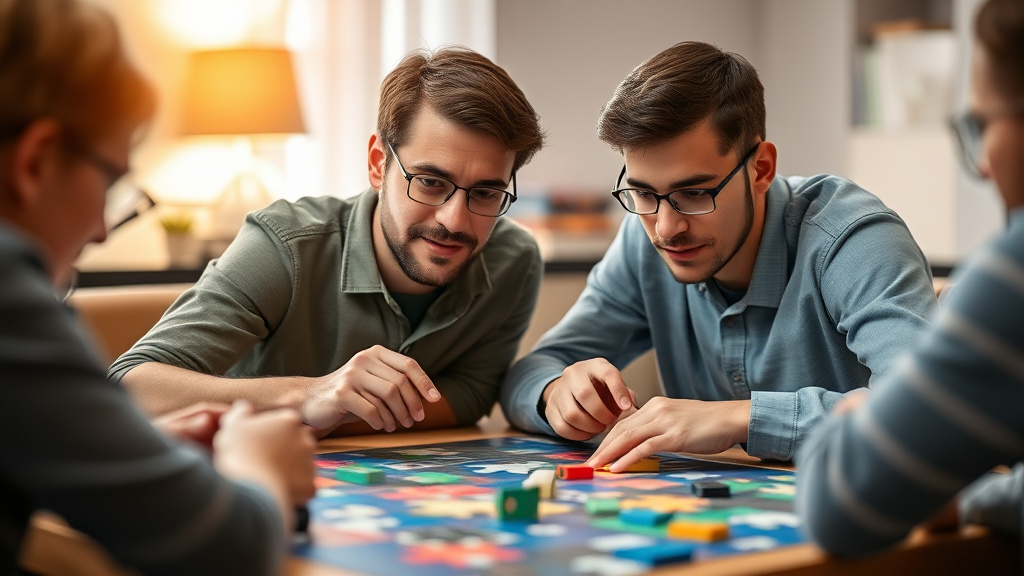
In an increasingly demanding world, millions find solace in puzzle games, and science is beginning to confirm what enthusiasts have long suspected. Recent research show that working through puzzles—from Sudoku to Tetris—offers significant mental health improvements, including decreased worry, better mental performance, and improved emotional stability. This article investigates cutting-edge research showing how these seemingly simple games engage neural pathways linked to stress relief and mental well-being, turning leisure time into a evidence-based therapeutic practice.
Mental Performance And Brain Wellness
Puzzle games serve as effective cognitive learning instruments that improve essential cognitive abilities. Recent neuroimaging studies show that working with puzzles activates multiple brain regions at the same time, including the prefrontal cortex involved in analytical thinking and judgment. Research published in neuroscience journals demonstrate that regular puzzle engagement enhances working memory, increases processing speed, and promotes neuroplasticity—the brain’s impressive ability to create fresh neural pathways. These intellectual gains transcend gameplay, translating into better success in educational and work settings.
The cognitive wellness positive effects of puzzle games offer lasting brain protection and disease prevention. Long-term research demonstrate that individuals who regularly engage in puzzle challenges exhibit diminished mental decline with age and lower risk of degenerative neurological conditions. Puzzle solving stimulates the generation of brain-derived neurotrophic factor (BDNF), a compound essential for neuronal survival and growth. Additionally, sustained mental engagement through puzzles supports optimal brain aging, preserving cognitive sharpness and mental acuity throughout later life stages.
Reducing Stress And Mental Health
Puzzle games function as effective stress-management solutions by stimulating mental activity in concentrated, purpose-driven tasks that effectively lower cortisol levels. When players concentrate on solving puzzles, their minds reach a flow condition—a mental state where worries fade and anxiety diminishes. Recent scientific findings demonstrate that this engaging play experience activates the prefrontal cortex, the brain region responsible for executive function and emotional regulation. This mental activation effectively interrupts the stress response cycle, offering prompt respite from daily pressures and creating a better emotional foundation.
Beyond immediate stress relief, frequent puzzle game play builds long-term emotional resilience and mental stability. Research featured in top psychology journals shows that ongoing puzzle-solving improves emotion regulation abilities and boosts overall life satisfaction. Players gain better coping strategies through continuous problem-solving practice, developing confidence in their ability to overcome challenges. These cognitive benefits go beyond gaming sessions, allowing individuals cope with everyday stressors more efficiently and sustain emotional equilibrium in their everyday lives.
Long-Term Psychological Effects
Enduring Cognitive Advantages Over Time
Extended participation in puzzle games demonstrates significant long-term cognitive advantages that extend far beyond immediate gameplay sessions. Research featured in neuroscience journals indicates that individuals who regularly play puzzles display enhanced recall ability, enhanced problem-solving abilities, and greater cognitive adaptability even months after regular engagement. These lasting gains suggest that puzzle gaming creates permanent brain modifications, reinforcing brain pathways associated with decision-making processes and cognitive resilience, potentially providing safeguards against age-associated mental deterioration.
Emotional Strength and Stress Management
Long-term research following puzzle game participants reveal growing emotional resilience and better stress management capabilities over extended periods. Regular players exhibit reduced anxiety levels, improved emotional control, and stronger emotional balance when facing life challenges. The overall result of regular puzzle play appears to develop mental resilience, establishing a foundation for improved psychological well-being. These findings propose that puzzle games act as proactive mental wellness instruments, enabling people develop robust coping mechanisms that remain present in their daily lives.
Living Standards Enhancements
Ongoing research demonstrates that consistent engagement with puzzle games connects to better life quality and mental health. Participants indicate greater life satisfaction, higher quality sleep, and greater sense of connection when puzzle gaming becomes a regular habit. These significant improvements indicate that puzzle games offer comprehensive mental health advantages extending beyond isolated cognitive or emotional gains, proving to be valuable components of broad mental health strategies for different populations.
