
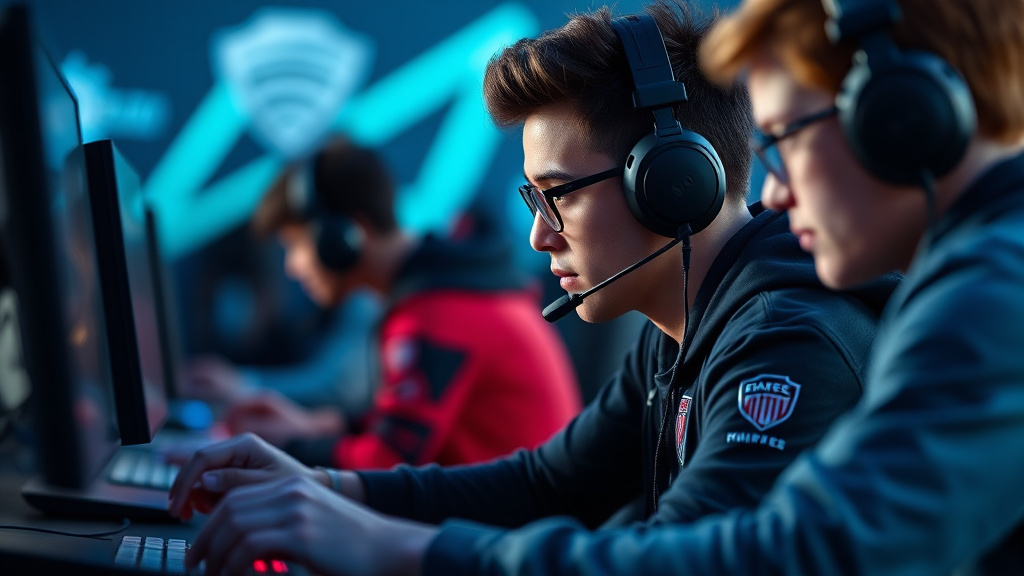
The esports industry is taking a significant step toward athlete wellbeing. Major gaming organizations are rolling out full-scale mental health assistance initiatives, recognizing the intense pressure competitive gamers experience. From competitive pressure and digital abuse to fatigue and disconnection, professional players contend with specialized emotional obstacles. These efforts include counseling services, player support groups, and mental health resources tailored specifically for esports athletes. This shift represents a watershed moment for an industry giving more attention to player wellbeing together with performance.
Widespread Industry Recognition of Psychological Challenges
The esports industry has historically functioned under intense competitive pressure, with professional players facing substantial mental demands. Tournament schedules, broadcast commitments, and the ongoing attention of worldwide viewers create a distinctive pressure environment. Recent years have brought growing awareness that mental health challenges—including anxiety, depression, and burnout—affect a considerable number of the professional esports community. This recognition has prompted major organizations to recognize that player wellbeing directly impacts performance and career longevity.
High-profile players have increasingly spoken openly about their psychological challenges, challenging stigma within the gaming community. The demanding nature of esports, combined with digital abuse and public criticism on social platforms, has highlighted the need for dedicated mental health resources. Organizations now understand that funding mental health infrastructure is beyond simply being essential for long-term competitive viability. This industry-wide shift demonstrates a wider dedication to supporting esports competitors with the same psychological care available in traditional sports.
Full-Scale Support Measures and Resources
Top-tier esports organizations are putting in place multifaceted mental health programs intended to manage the distinct challenges experienced by professional players. These efforts cover therapy support, wellness training, community support systems, and informational resources customized for the gaming community. By providing robust support systems, organizations exhibit their focus on player wellbeing while building sustainable environments for sustained professional growth and self-improvement in competitive esports.
Therapy and Support Services
Top organizations now provide access to certified mental health practitioners specializing in esports-related issues. Players obtain confidential therapeutic sessions dealing with performance-related anxiety, fatigue, and relationship difficulties. These services are often available both in-person and through telehealth platforms, guaranteeing access no matter tournament location. Organizations work alongside psychologists and mental health professionals experienced in treating elite athletes, understanding that esports demands parallel mental resilience to traditional professional sports.
Beyond individual therapy, many organizations facilitate group counseling sessions where players can exchange experiences and coping strategies. These peer-led discussions create safe spaces for addressing mental health stigma within gaming culture. Professional facilitators lead discussions about stress management, healthy communication, and emotional regulation. This collaborative approach builds team cohesion while encouraging mental health discussions throughout competitive esports communities.
Wellness Programs and Training
Integrated wellness programs incorporate physical fitness, nutrition guidance, and sleep optimization into player development plans. Organizations employ sports psychologists and wellness coaches who educate players about maintaining mental health during rigorous competition schedules. Training modules explore stress management techniques, mindfulness practices, and resilience development. These preventive strategies help players build positive coping skills before mental health challenges escalate into serious issues influencing performance and wellbeing.
Esports organizations also put in place organized rest periods and recovery protocols to reduce burnout. Players get support on balancing practice intensity with sufficient recovery, community interaction, and personal interests outside gaming. Wellness programs feature workshops on managing screen time, addressing cyberbullying, and building supportive communities. By emphasizing overall wellbeing alongside performance development, organizations establish long-term professional opportunities where players excel in mind and body throughout their careers in esports.
Influence and Long-term Perspective
The introduction of mental health support programs signals a pivotal shift for esports organizations. By directly tackling mental health issues, organizations are simultaneously enhancing athlete mental health but also enhancing competitive team results and long-term viability. Players who get adequate psychological support show greater emotional strength, superior tactical judgment, and sharper concentration during high-pressure competitions. This proactive approach demonstrates that the esports industry is maturing, understanding that lasting competitive advantage necessitates spending in the holistic wellness of competitors, across mental and physical dimensions.
Looking ahead, these initiatives are poised to emerge as industry standards rather than exceptions. As more organizations implement comprehensive mental health programs, they establish benchmarks that competitors must match to attract and retain top talent. The mainstreaming of psychological wellness will likely reduce stigma around mental health issues in gaming communities. Furthermore, these programs may catalyze equivalent programs in other high-performance industries, positioning esports as a champion of performer wellbeing and demonstrating that high performance and mental health support are supportive rather than conflicting goals.
