
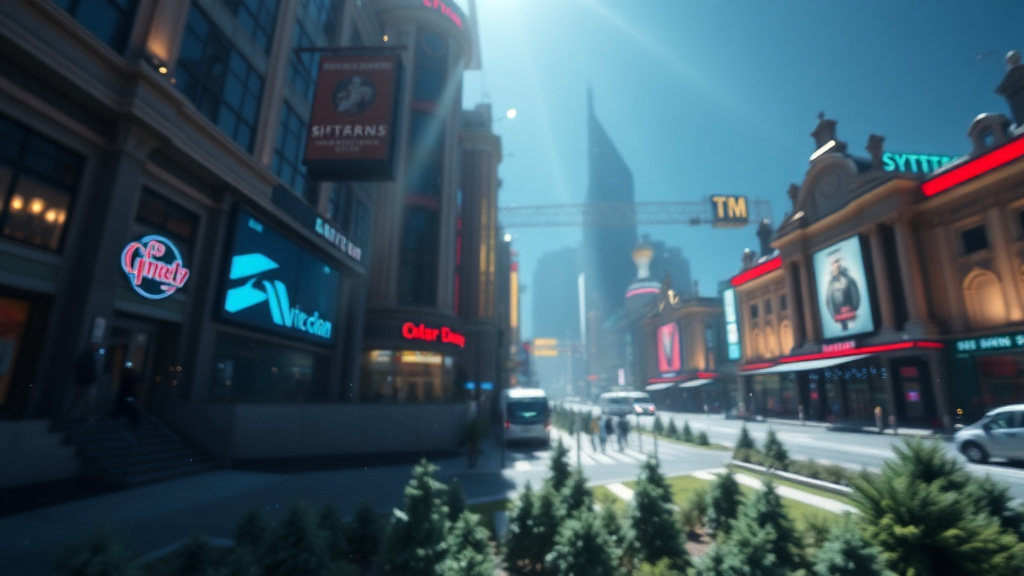
Ray tracing has transformed PC gaming by delivering lifelike visuals that were once limited to Hollywood studios. This cutting-edge technology simulates how light interacts in the physical environment, producing vivid reflections, shadows, and light effects that give virtual spaces realism. As graphics cards grow more capable, ray tracing is no longer a luxury feature but a baseline expectation among gamers. Learn how this revolutionary technique works and why it’s reshaping the future of game graphics.
Understanding Ray Tracing Fundamentals
Ray tracing is a advanced rendering technique that models the natural properties of light rays as they interact with virtual environments. Unlike traditional rasterization methods, ray tracing follows individual light rays from the camera through each pixel, computing how they bounce off surfaces and engage with objects. This process creates incredibly realistic reflections, refractions, and shadows by accurately modeling light’s physical characteristics. The result is impressive imagery that faithfully reproduces how light behaves in the physical world, delivering immersive gaming experiences with superior visual clarity.
The fundamental concept behind ray tracing requires computational operations that determine light paths and their interactions with scene geometry. When a ray strikes a surface, the algorithm computes whether it reflects, refracts, or absorbs the light based on material properties. This iterative cycle continues until rays leave the scene or their impact becomes negligible. While requiring substantial computational resources, modern GPU acceleration has enabled real-time ray tracing feasible, allowing developers to create games with photorealistic lighting and reflections that greatly improve visual quality and player immersion.
Performance Impact and System Requirements
Ray tracing necessitates considerable processing capability, rendering hardware requirements a vital consideration for gamers. Contemporary graphics processors with dedicated ray tracing cores, like NVIDIA’s RTX series and AMD’s RDNA architecture, are necessary for smooth gameplay at high frame rates. The technology’s complex processing demands can diminish frame rates by 20-40% compared to traditional rasterization, demanding powerful processors and substantial memory to sustain acceptable performance while delivering stunning visual fidelity.
Meeting ray tracing’s computational demands requires strategic spending in high-performance parts. Entry-level ray tracing experiences may run on mainstream graphics cards at lower settings, while ultra-realistic implementations demand flagship graphics cards costing several hundred dollars. Additionally, adequate power supplies, sufficient cooling systems, and modern CPUs become essential for avoiding bottlenecks. As performance optimization advances and newer generations of hardware emerge, availability expands, allowing more gamers to experience ray tracing’s visual benefits without requiring the most expensive equipment available.
Visual Enhancements and Real-World Applications
Ray tracing delivers transformative visual enhancements that enhance gameplay to unprecedented levels of realism. By faithfully modeling how light behaves, this method generates authentic mirror-like reflections on bodies of water, realistic shadow rendering beneath objects, and realistic depth shading that enhances scene depth. Games employing ray tracing showcase substantially enhanced graphical detail, with worlds seeming increasingly immersive and convincing. Players enjoy enhanced atmospheric effects, featuring atmospheric light effects and interactive light effects that adapt authentically to in-game events, generating spaces that appear genuinely alive and visually captivating.
Real-world uses of ray tracing extend beyond entertainment into professional visualization and design industries. Architects leverage ray tracing to produce photorealistic renderings of building designs prior to construction begins. Product designers use this technology to preview how materials interact with light, guaranteeing precise color representation and surface quality. In film production, ray tracing speeds up rendering processes while preserving cinematic quality. Additionally, automotive manufacturers utilize ray tracing for realistic car rendering in marketing materials. These varied applications showcase ray tracing’s versatility and significant impact across multiple creative and technical fields.
What’s Ahead of Ray Tracing in Gaming
The progression of ray tracing technology suggests increasingly accessible and robust implementations across all gaming platforms. As hardware manufacturers progressively enhance GPU capabilities, ray tracing will transform into the norm rather than optional, enabling developers to create more immersive worlds. Latest-generation consoles and mid-range graphics cards will bring to photorealistic gaming, making cutting-edge visuals within reach of broader audiences. Combination of artificial intelligence and machine learning promises smarter optimization algorithms that reconcile visual fidelity with performance, delivering smooth gameplay without compromise.
Beyond standard gaming, ray tracing applications reach into virtual reality, design visualization, and interactive entertainment experiences. Ray tracing technology will allow developers to create materials once requiring offline rendering, revolutionizing workflow efficiency. Industry experts predict that within the next five years, non-ray-traced games will grow scarcer as the technology reaches economic feasibility for all development teams. This advancement represents far more than a graphics improvement but a significant change in how interactive spaces are developed, experienced, and interpreted by gamers globally.
